Carbon Monoxide Risks: Why Miami Homeowners Need HVAC Inspections
Published: 2026-06-20 · By MechCold Air Conditioning Repair Service
Picture this: it’s a sweltering summer day in Miami, and your air conditioning unit suddenly emits a strange odor. You dismiss it, thinking it’s just the humidity. But what if that odor is a sign of a more serious issue—specifically, potential carbon monoxide leaks? In a city known for its high humidity and coastal storms, Florida homeowners must remain vigilant not just for comfort but for safety. Carbon monoxide is a silent threat that can emanate from malfunctioning HVAC systems, putting your family at risk. With the distinct weather conditions and properties in Miami, understanding the dangers of this colorless gas is paramount for every homeowner.
Why This Matters for Miami Homeowners
Carbon monoxide (CO) is a deadly gas that can emerge from gas-fueled appliances including furnaces and water heaters, which many Miami residents rely on for comfort. The unique environmental factors in Miami, such as high humidity and salt air, can contribute to accelerated wear and tear on HVAC units, increasing the risk of malfunction. Additionally, households elevated on stilts or incorporating moisture barriers may still face challenges as indoor air quality can be compromised by poor HVAC functioning. These conditions necessitate regular inspections to catch issues before they escalate.
Local building codes in Florida often require stringent safety measures for gas appliances, yet many homeowners overlook these. Without proper maintenance, not only do you risk your family’s health, but you may also inadvertently violate safety codes, leading to fines or more serious consequences. The tropical climate also intensifies the need for regular inspections, where storms and humidity affect more than just comfort—it can impact the very safety of your home.
Don't wait until it's too late. Schedule a thorough HVAC inspection to prevent CO exposure.
Being proactive can save lives. Understanding the often-overlooked risks of carbon monoxide in an environment like Miami is essential for protecting your loved ones and your property.
Expert Solutions & Actionable Tips
1. Schedule Regular HVAC Inspections
To ensure your HVAC system operates efficiently, schedule inspections at least twice a year. This is especially crucial in Miami due to the humid climate, which can accelerate rust and deterioration. Expect to pay between $75 to $150 for a thorough inspection, which can prevent costly repairs down the line. By identifying risks related to carbon monoxide early, you can maintain a healthier living environment.
2. Invest in CO Detectors
Having carbon monoxide detectors installed in your home is an essential precaution. Choose models that comply with Florida state regulations. The cost of these detectors ranges from $30 to $100, but their ability to alert you to danger could save lives. Don’t forget to test your detectors monthly and replace batteries as needed, ensuring they are always operational.
3. Know the Signs of CO Poisoning
Recognizing the symptoms of carbon monoxide poisoning is vital. Symptoms include headaches, dizziness, and nausea. Do not ignore these signs, especially during heat waves when HVAC units may be overworked. If you suspect exposure, evacuate the area immediately and seek medical help. It's much better to err on the side of caution.
4. Upgrade Your HVAC System
If your HVAC system is nearing the end of its lifespan, consider upgrading to newer, more efficient models that include safety features to prevent CO buildup. In Miami, the cost of a new system can vary widely, from $3,000 to $10,000 depending on size and efficiency. An upgraded system not only protects against CO but may also reduce energy costs.
5. Maintain Proper Ventilation
Ensure your home is well-ventilated, particularly if using gas appliances. Poor ventilation increases CO concentration indoors. Invest in exhaust fans and consider a ventilation system if necessary. Proper ventilation systems can range from $500 to $2,000, but they're worthwhile for safeguarding health and enhancing air quality.
6. Check your Appliances Regularly
Inspect gas appliances monthly for signs of malfunction. Look for unusual odors or discharge that may indicate a CO leak. Simple checks can prevent serious issues and are a good practice. Educate your family on safe appliance use to help mitigate risks associated with carbon monoxide exposure.
Miami Climate & Local Context
Miami's climate is marked by high humidity levels and salt air, which can significantly impact HVAC systems, leading to rust and malfunction. Elevated homes, commonly found in the area, often have systems that must cope with the challenges of ventilation and exposure to the elements. Moisture barriers are critical but still require regular maintenance to ensure they are functioning properly. Keeping up with local building codes is essential, especially concerning safety measures around gas appliances. Miami’s tropical storms further complicate these factors, often leading homeowners to overlook necessary inspections when their focus should be on maintaining HVAC units.
Furthermore, local regulations mandate specific guidelines for HVAC installations, often accounting for the unique challenges faced by coastal homes. Ensure you are familiar with both state and local mandates to stay compliant and safe.
When to Call a Professional
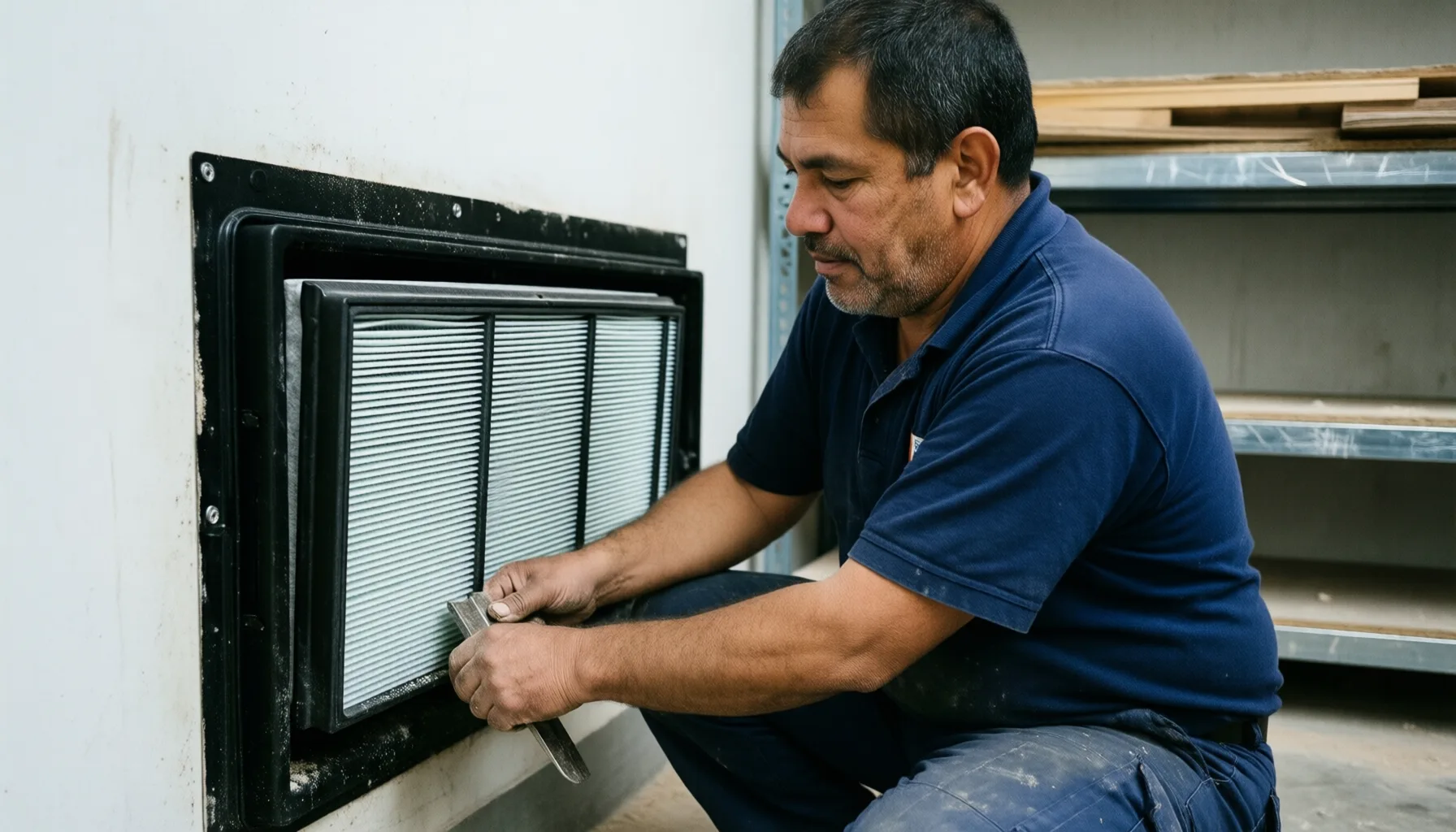
Understanding when to DIY and when to reach out for professional help can make all the difference in maintaining a safe home environment. While minor HVAC maintenance tasks such as changing air filters can be handled by homeowners, there are clear signs that indicate the need to call a professional.
- If you experience unexplained headaches or dizziness in your home.
- Notice rust or soot around your appliance vents.
- Detect unusual or pungent odors.
- See yellow or orange flames instead of blue from your gas appliances.
- Your CO detector goes off.
- Frequent cycling of heating or cooling systems without full functionality.
- Excess humidity or moisture in the home.
- Any leaks or cracks in your gas lines.
If you face any of these red flags, it's time to contact a professional like MechCold Air Conditioning Repair Service to ensure your HVAC system is safe and efficient.
Frequently Asked Questions
What should I do if my CO detector goes off?
If your CO detector alerts, immediately exit your home and call 911. Do not re-enter until it has been confirmed safe by professionals.
Are HVAC inspections really necessary in Miami?
Yes, due to Miami's specific climate and environmental conditions, regular inspections are essential to ensure safety and peak performance.
How often should I schedule HVAC inspections?
It’s recommended to schedule inspections at least twice a year, ideally before the summer and winter seasons.
What are the signs of carbon monoxide threat?
Common signs include persistent headaches, dizziness, confusion, and nausea. These symptoms should be addressed immediately.
Can I perform HVAC repairs on my own?
Some minor maintenance tasks can be performed alone, but for any issues related to gas appliances or potential CO leaks, it’s best to contact professionals.
Get Expert HVAC Service in Miami
Don't leave your family's safety to chance. Ensure your HVAC system is properly inspected to prevent the risks associated with carbon monoxide exposure. For exceptional HVAC services, reach out to MechCold Air Conditioning Repair Service today.
Your comfort in Miami is essential, and we are here to help you maintain it safely. Call (645) 238-2942 for prompt and reliable service!